📷
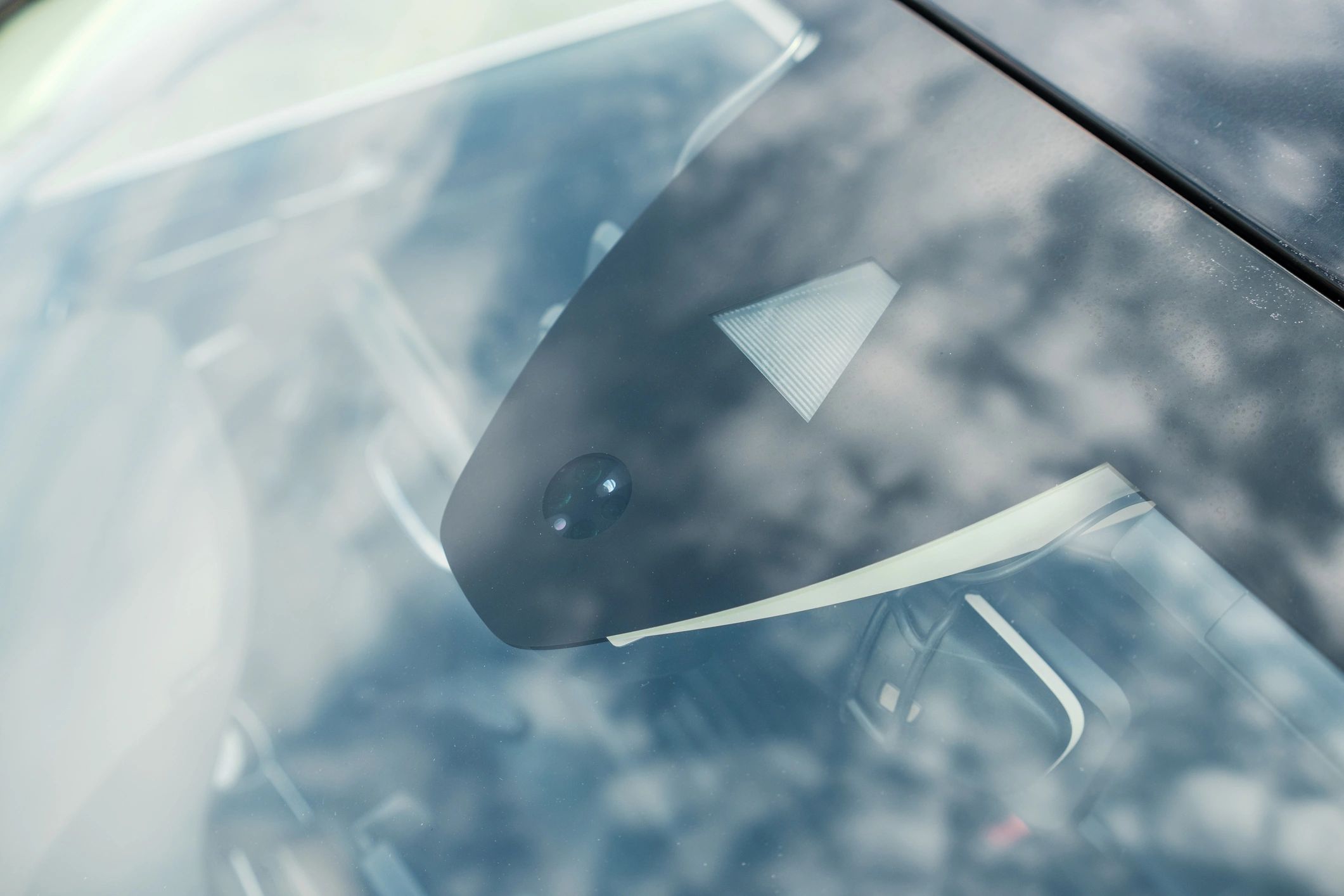
Forward-Facing Camera
The most common ADAS component — mounted at the top of the windshield. Powers lane departure, collision warning, and sign recognition. Must be recalibrated after every windshield replacement.

Keep your vehicle's safety systems working correctly after windshield replacement.
Modern vehicles rely on cameras and sensors mounted to or near the windshield to power critical safety systems. When your windshield is replaced, these systems must be recalibrated to the exact factory specifications — otherwise lane departure warnings, automatic emergency braking, and adaptive cruise control may not function correctly, putting you and others at risk.
No matter the size or type of damage, our certified technicians have the tools and expertise to restore your glass.
The most common ADAS component — mounted at the top of the windshield. Powers lane departure, collision warning, and sign recognition. Must be recalibrated after every windshield replacement.
Uses radar and camera data to maintain safe following distance. Miscalibration can cause sudden braking or failure to detect vehicles ahead.
Monitors lane markings through the windshield camera. After replacement, the camera angle may shift — recalibration ensures accurate lane detection.
Relies on precise camera alignment to detect pedestrians and vehicles. A misaligned camera can cause false triggers or failure to brake when needed.
Camera-based system that detects oncoming traffic. Requires recalibration to avoid blinding other drivers or failing to dim when needed.
Rear and surround-view cameras may need recalibration after glass work near mounting points to ensure accurate parking guidance.
Simple, fast, and stress-free — from quote to done.
We connect to your vehicle's OBD system to identify all ADAS components and check for existing fault codes before calibration.
We set up precision calibration targets at exact distances and angles specified by your vehicle manufacturer — this is critical for accuracy.
Using manufacturer-approved software, we recalibrate each camera and sensor to factory specifications. Static calibration is done in our controlled environment.
For dynamic calibration, we perform a test drive at specific speeds to allow the system to self-learn and verify all safety features are functioning correctly.
If your vehicle was manufactured after 2015 and has any driver assistance features (lane departure warning, automatic emergency braking, adaptive cruise control, etc.), the answer is almost certainly yes. We can check your vehicle's requirements when you call.
Your safety systems may not work correctly — or at all. Lane departure warnings may trigger falsely or not at all. Emergency braking may fail to activate. In some vehicles, a dashboard warning light will remain on until calibration is completed.
Static calibration typically takes 1–2 hours. Dynamic calibration (requiring a test drive) adds another 30–60 minutes. We'll give you an accurate time estimate for your specific vehicle.
Many insurance policies cover ADAS calibration when it's required as part of a windshield replacement claim. We work directly with your insurer to maximize your coverage.
We calibrate ADAS systems for most major vehicle brands including Toyota, Honda, Ford, Chevrolet, BMW, Mercedes-Benz, Audi, Hyundai, Kia, and more. Call us with your vehicle details and we'll confirm.
Static ADAS calibration requires a controlled environment with specific lighting and flat surfaces. We perform calibration at our facility or at a suitable location. Dynamic calibration can be performed anywhere with appropriate road access.


© Copyright 2026. Pichon Auto Glass. All Rights Reserved.